The French Super Cup delivers an early test of form, tactics and ambition as France’s leading clubs
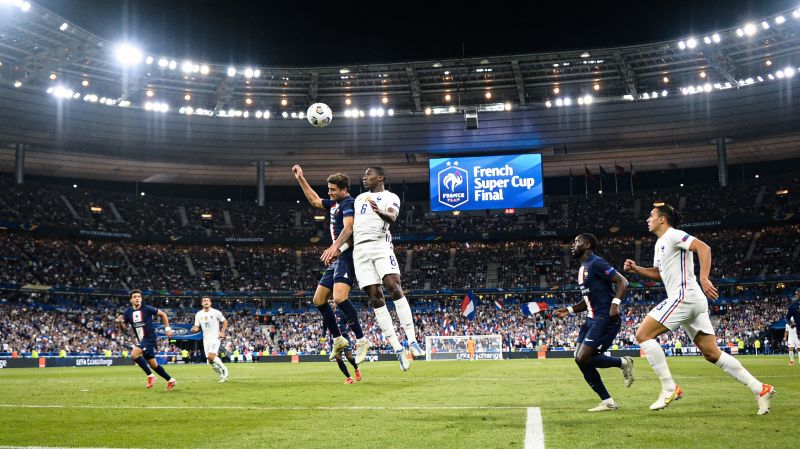
he French Super Cup has once again placed domestic football’s biggest names under an unusually bright spotlight before the Ligue 1 campaign has properly settled. Played as a single-match contest between the league champion and the Coupe de France winner, the French Super Cup offers little room for caution. A sluggish opening can decide the night, and a misplaced pass may become the image remembered long after the winner has lifted the trophy. For the clubs involved, the match is both a prize and a public examination of their summer work.Paris Saint-Germain have frequently occupied the center of the French Super Cup conversation, reflecting their long period of financial strength and domestic control. Their squad depth allows the coaching staff to rotate established stars while introducing new arrivals, yet that advantage can create its own tension. A team packed with talent still needs timing. In recent editions, the French Super Cup has shown how a compact opponent can frustrate Paris by closing central passing lanes and attacking the spaces left behind adventurous full-backs. One sharp counterattack can turn a match built around possession into a frantic exercise in recovery.The appeal of the French Super Cup lies partly in its unusual position on the calendar. Players return from international duty, preseason tours and interrupted holidays, often carrying different levels of fitness. Coaches may still be testing formations, while supporters arrive expecting a polished performance immediately. That contradiction gives the French Super Cup a character unlike an ordinary league fixture. It is competitive。but not fully settled;ceremonial, but rarely harmless. A new signing might make a first appearance in front of a national audience, or a young midfielder may earn an unexpected starting role because a senior player is not ready for ninety minutes.For the challenger, the French Super Cup can become a statement of independence from Parisian dominance. Clubs such as Lille, Monaco, Lyon or Marseille have understood that the occasion rewards courage more than reputation. The strongest approach is often direct: defend with discipline, move the ball quickly through midfield and force the favorite to defend facing its own goal. That plan demands concentration, particularly during the final fifteen minutes when fatigue exposes gaps. I have always found the French Super Cup more revealing in those small moments than in the final score. A goalkeeper’s decision to claim a cross, a center-back stepping out at the right time。or a winger refusing to retreat can reveal a team’s character before the season has provided enough evidence.The trophy also carries commercial and emotional weight. A successful French Super Cup night gives sponsors a high-profile celebration, gives supporters an early memory to carry into the campaign and gives the winning manager a useful cushion when difficult league fixtures arrive. Defeat, by contrast, rarely causes a crisis on its own。
but it can sharpen doubts about recruitment, fitness or tactical direction. That is why the French Super Cup remains more than a curtain-raiser. It compresses expectation into one evening, turns preseason theories into visible evidence and forces elite clubs to respond under pressure. Whether the match produces a routine victory or an upset, the French Super Cup continues to function as French football’s first serious test of the new season.