Portugal's Euro 2024 exit marked Cristiano Ronaldo's final European Championship and exposed a team
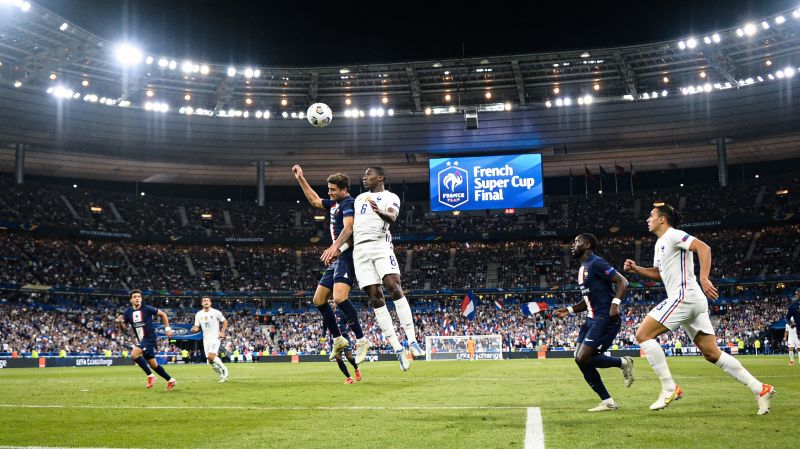
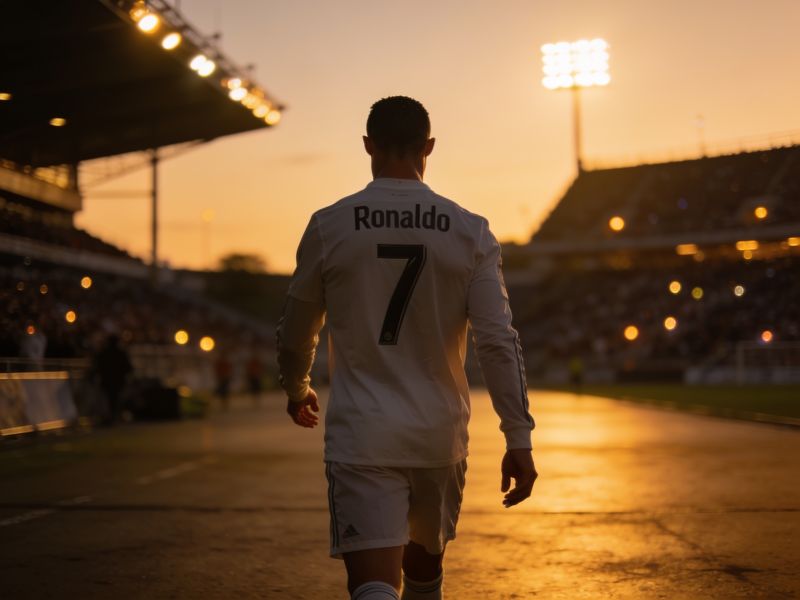
ortugal's European Championship campaign ended in the quietest possible way for Cristiano Ronaldo: without a goal, without a final appearance and with a penalty shootout defeat that left the veteran forward standing near the center circle, hands on his hips, while France celebrated. The 0-0 quarter-final in Hamburg on July 5, 2024, was settled 5-3 on penalties after a tense match of few clear chances. João Félix missed Portugal's only kick, while France converted all five of theirs. Portugal's elimination and Cristiano Ronaldo's farewell to the European Championship arrived as a stark image of the tournament's changing order. Ronaldo。now 39, had carried Portugal's attack for nearly two decades. This time, the team could not carry him through the decisive night.Ronaldo's performance against France was not disastrous, but it was plainly limited. He drifted between the French center-backs。waited for crosses that rarely came and managed only a handful of threatening touches. When Portugal reached promising positions, Bruno Fernandes and Rafael Leão often looked more dangerous than their captain. Yet Ronaldo still demanded the ball for Portugal's first penalty and sent it firmly past Mike Maignan. He did not celebrate wildly. A brief nod, a clenched jaw and a glance toward the supporters said more than any gesture could. The moment captured the contradiction surrounding Portugal's elimination and Cristiano Ronaldo's farewell to the European Championship: the old leader remained dependable from twelve yards, but the open-play influence that once frightened entire defenses had faded.After the match, Ronaldo confirmed that Euro 2024 had been his final European Championship. The statement was delivered with the directness that has marked his career, though it lacked the theatrical certainty of his younger years. He said he was not leaving international football immediately, but the tournament's conclusion closed a remarkable chapter. Ronaldo made his European Championship debut in 2004。scored in six editions and helped Portugal win the trophy in France in 2016. He became the competition's all-time leading scorer and its most recognizable figure. Fans watched him evolve from a thin, explosive winger into a penalty-box specialist whose movement, preparation and competitive instinct shaped Portugal's identity. That history made the defeat feel heavier than an ordinary quarter-final loss.Portugal's elimination also raised difficult questions about manager Roberto Martínez and the team's tactical direction. Portugal controlled long periods of possession against France, yet possession rarely became genuine pressure. Ronaldo's selection as the central striker kept his name in the lineup, but it also narrowed the team's movement when France's defenders held their shape. Diogo Jota came on late。
while younger forwards such as Gonçalo Ramos were left waiting for a larger role. The decision was understandable: Ronaldo remains a match-winner and an exceptional penalty taker. Still, the tournament exposed the cost of relying on reputation when the margins are thin. Portugal had enough talent to attack with greater speed, but too often the ball moved sideways, as though the team was protecting its captain rather than using its full range.There was no perfect ending waiting for Ronaldo, and perhaps that is why the farewell felt real. He left the European Championship not with a trophy or a decisive goal, but with a missed chance against Slovenia in the previous round, a scoreless quarter-final and a final penalty converted under enormous pressure. Portugal's elimination and Cristiano Ronaldo's farewell to the European Championship will be remembered through those contrasts. The superstar was still willing to take responsibility, yet no longer able to dominate every phase of a major tournament. For Portugal。
the task now is not to erase Ronaldo's influence but to move beyond dependence on it. The next generation has quality, but quality alone will not fill the space left by a player who made the national team feel larger than itself.